Automated plant design
We introduce our efforts towards Digital Transformation.
Transforming Proposal Speed and Eliminating Design Time Bottlenecks
To achieve a dramatic improvement in proposal speed and a fundamental reduction in design lead time, the basic design* of a plant requires balancing a wide range of factors, including equipment characteristics, site conditions, water flow, construction schedules, and ease of operation and maintenance.
As a result, extensive studies and evaluations are necessary, making the process time-consuming and labor-intensive.
In addition, because the work is highly specialized, it tends to rely heavily on the experience and expertise of individual designers.
To address this challenge and streamline the basic design process, we have developed and are actively using an application in collaboration with Fracta Leap that enables the high-speed, automated generation of design drawings for water treatment systems.
- Basic design: The process of defining the overall framework of required facilities and their layout based on plant requirements, and translating them into preliminary design drawings.
Reducing Lead Time Through DX Across the Entire Design Process
By applying multiple applications in the basic design phase, we contribute to shortening the overall design lead time while also reducing the projected workload* required for the entire design process.
- Workload: The estimated effort (person-days) required to prepare proposals for large-scale projects.
Time required for basic design
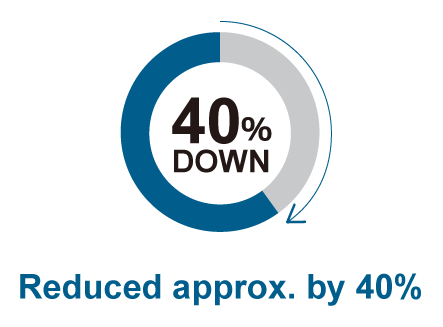
Automating Design Applications Tailored to Each Phase of the Process
In the basic design of a plant, we provide phase-specific applications that enable AI algorithms to automatically generate proposals tailored to requirements across the phases of equipment configuration, layout design, and construction planning.
By applying these applications to each stage of the process, we achieve a comprehensive minimization of overall design effort.

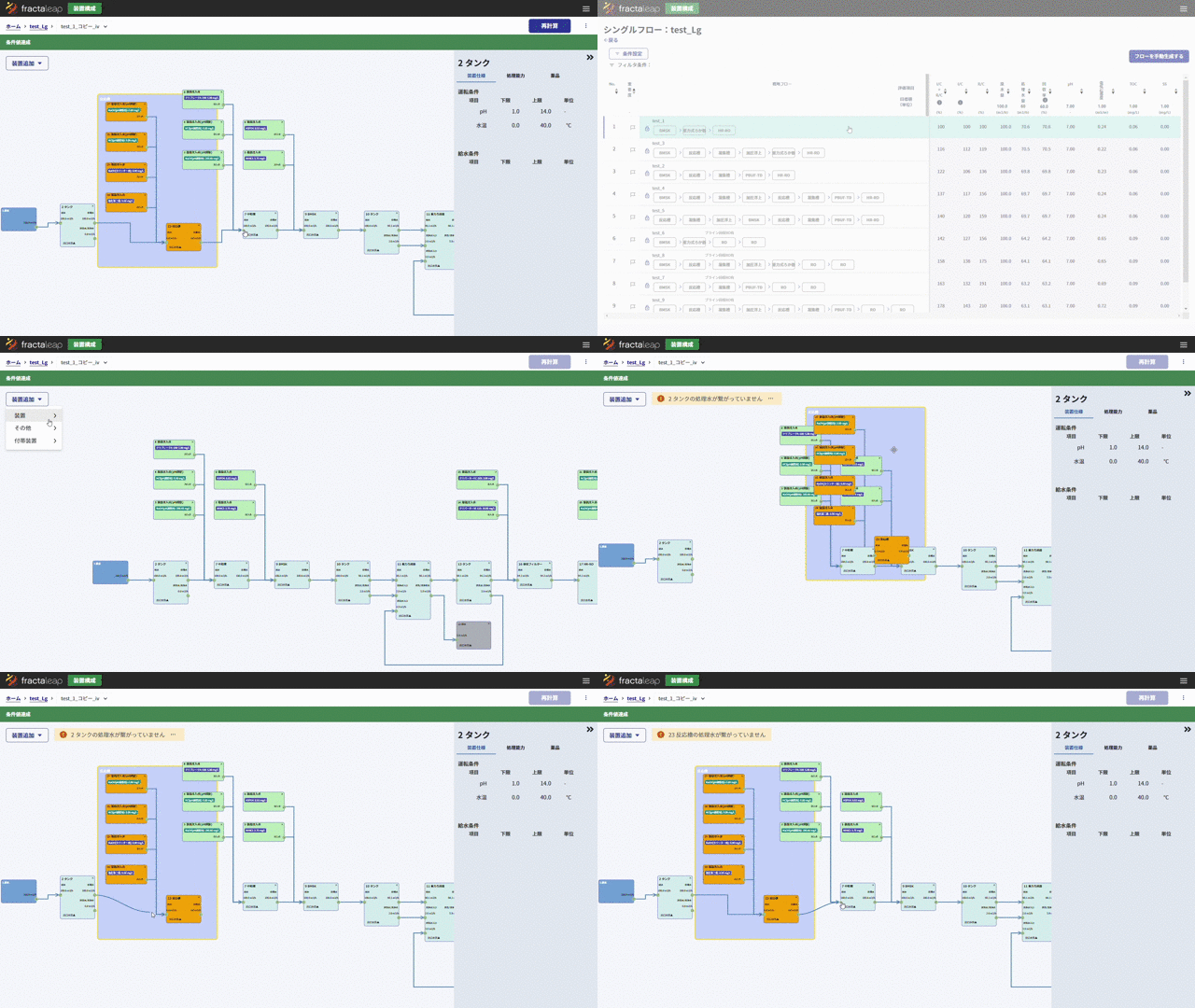
1Equipment configuration application
- 1.An algorithm proposes multiple pattern combinations and order of the necessary water treatment equipment based on input information of water quality and volume.
- 2.Evaluation indicators such as initial costs and running costs, which are useful for comparing multiple patterns, are also displayed.
- 3.Enables simultaneous consideration of a wide range of patterns that was not available before.
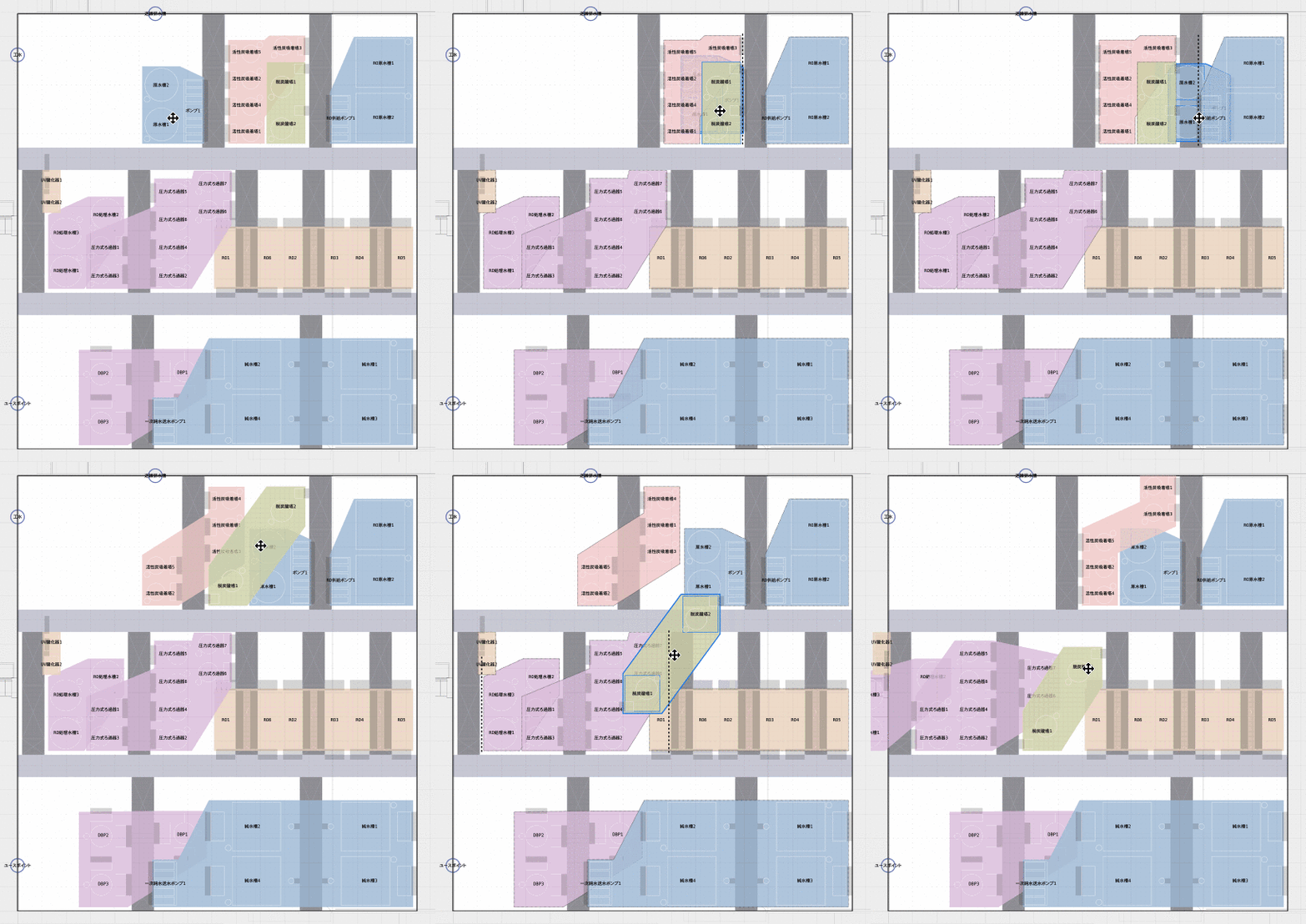
2Automated layout design application
- 1.“Group layout” for fast design:The algorithm makes plotting and modifying each equipment group as fast and easy as a puzzle.
- 2.The algorithms generate piping racks and suggest equipment orientations that take maintenance operations into account to minimize layout design work.
- 3.Piping length is optimized by algorithms. Optimization results can be reviewed in real time.
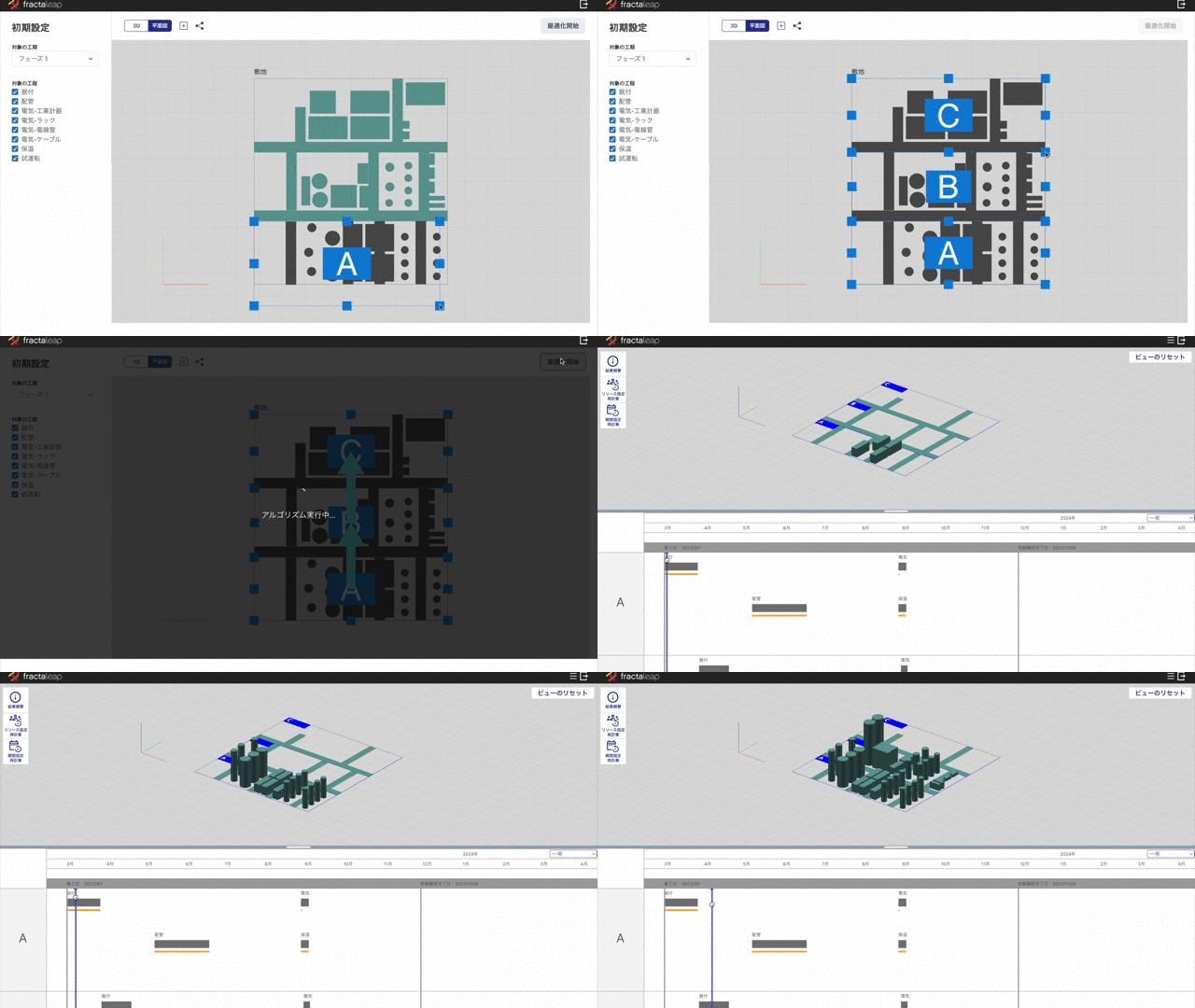
3Construction planning application
- 1.An algorithm automatically generates construction work orders, assignment of workers, schedules, etc.
- 2.Visual representation of equipment installation, etc., in conjunction with generated schedules.
- 3.Enables consideration of multiple construction plans that end within the deadline, without use on excessive resources and scheduling requirements.
Recipient of Multiple Prestigious Industry Awards
This initiative has been honored with the Environmental Minister’s Award at the 4th Japan Open Innovation Prize, as well as the 44th Case Study Award from the Operations Research Society of Japan.
The project was highly praised for its approach to addressing challenges in some of the most complex areas of the design process by combining multiple optimization techniques, as well as for its ambitious, practice-oriented methodology that extends through to real-world implementation.
Going forward, through the Meta-Aqua Project, we will continue to promote initiatives that address societal challenges through digital solutions—going beyond shortening design timelines and reducing the workload of designers to include optimization of water treatment plant lifecycle costs, as well as enhancement of lifetime value through reduced environmental impact.
Reference Link
Kurita and Fracta Leap Complete Development and Achieve Operational Launch of Beta Version of Automated Design Application for Water Treatment Plant —Reduces plant design work by 60%, shortens design period by 40%
https://www.kurita-water.com/en/news/20221115-01/
Kurita and Fracta Leap Expand Beta Version Lineup of Automated Design Solutions for Water Treatment Plants
https://www.kurita-water.com/en/news/20230315-01/
“Automation of Layout Design” in Design Automation of Water Treatment Plant Wins the 44th Case Study Award from the Operations Research Society of Japan
https://www.kurita-water.com/en/news/20240911-01/
Kurita and Fracta Leap Receive Environment Minister’s Award as Part of Japan Open Innovation Prize —Achieving groundbreaking initiatives in water treatment DX through open innovation—
https://www.kurita-water.com/en/news/20220201-01/
Fracta Leap Inc. Website
https://fracta-leap.com/en
Meta-Aqua Project
https://www.kurita-water.com/en/digital/dx-metaaqua.html